


Listening to the Belize River
Ground-truthing, community knowledge, and the next steps for freshwater stewardship in the Lower Belize River Valley
By Jaren Serano | BFREE Dermatemys Social Scientist | Belizean PhD Student, University of Florida
For BFREE, conservation has always been about more than protecting individual species. It is also about strengthening relationships between people, place, and the living systems that sustain both wildlife and communities. Recent fieldwork led by Jaren Serano in the Lower Belize River Valley (LBRV) continued this work by combining in-water reconnaissance of the Belize River with a community meeting designed to share earlier findings from his PhD research, which began in summer 2025. The goal of this summer’s work is to listen to local perspectives, engage external stakeholder groups connected to freshwater management and conservation, and prepare for the next phase of the study: participatory mapping of the Belize River to better understand the anthropogenic pressures affecting the integrity of the river system.
These activities are part of Jaren’s broader interdisciplinary research project focused on freshwater governance and community-based conservation in Belize. While the Hicatee, or Central American River Turtle, remains an important flagship species for river conservation, the project has increasingly taken a systems-based approach. In simple terms, the health of the Hicatee cannot be separated from the health of the river, the condition of riparian forests, the pressures affecting the waterway, or the decisions made by communities, institutions, and policymakers.
Ground-truthing the Belize River
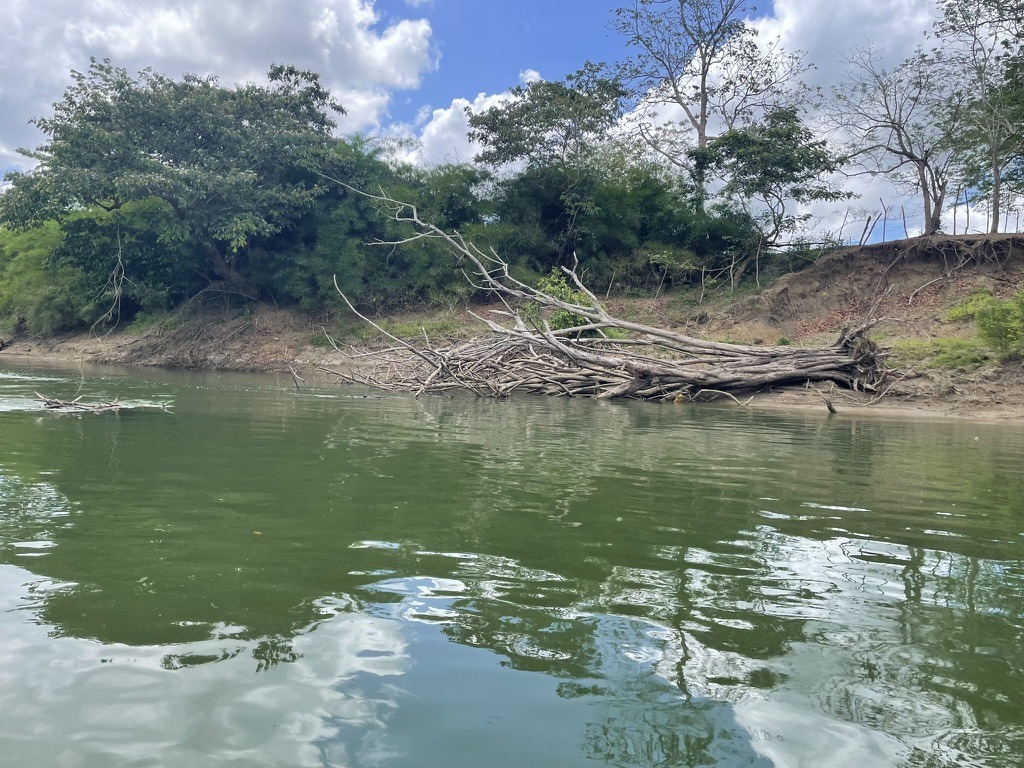
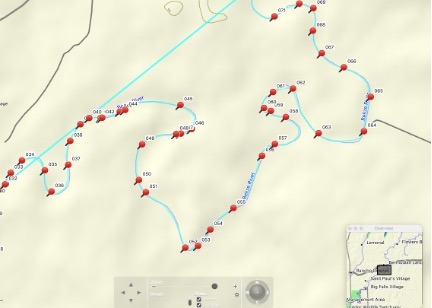
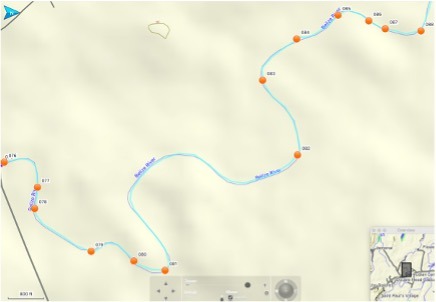
The first field activity was an in-water reconnaissance of the Belize River from the Big Falls area downstream toward Flowers Bank, covering roughly 20 miles of river. The purpose was to ground-truth river conditions, test the feasibility of community-based participatory mapping, and begin documenting visible anthropogenic pressures using a Garmin eTrex 22x GPS unit.
Why Participatory Mapping Matters
Participatory mapping is not only a technical exercise. From a social science perspective, it is also a way of recognizing that people who live with the river often hold detailed knowledge about environmental change, seasonal patterns, access points, culturally important areas, and the everyday realities of resource use. GPS points can show where something is happening, but local knowledge helps explain why that place matters.
The reconnaissance also raised important design questions for the next phase of the research. If erosion is the most visible and widespread pressure, participatory mapping should be flexible enough to document more than dramatic or isolated “infractions.” It should also capture gradual changes, community observations, and links among riverbank condition, land use, livelihoods, and management possibilities.
Working alongside a local guide from the LBRV, the survey connected spatial data collection with place-based knowledge. Rather than treating the river as an abstract line on a map, the activity made it possible to observe specific river sections while also learning how community members describe places, remember past river use, and interpret current environmental change.
The most visible pressure observed during the reconnaissance was riparian bank erosion. Fallen trees, exposed banks, cleared vegetation, and bank degradation linked to agriculture and cattle ranching were common signs that the river’s edges are under stress. These observations matter because riparian vegetation helps stabilize banks, provides habitat and shade, supports wildlife movement, and contributes to the overall integrity of freshwater systems.
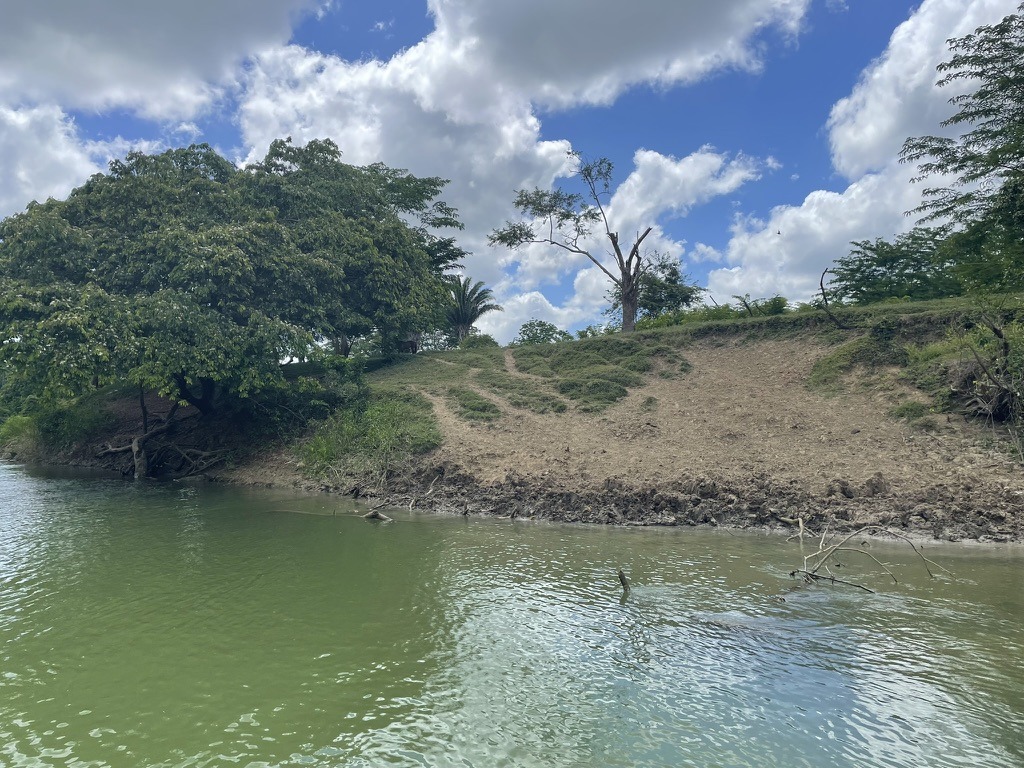
This is where the connection with local conservation action becomes especially important. Community reforestation efforts in the LBRV offer a practical pathway for linking mapping data to action. If communities help identify priority sections of riverbank degradation, mapping can support more targeted reforestation, monitoring, and long-term stewardship.
Preliminary Erosion Observations
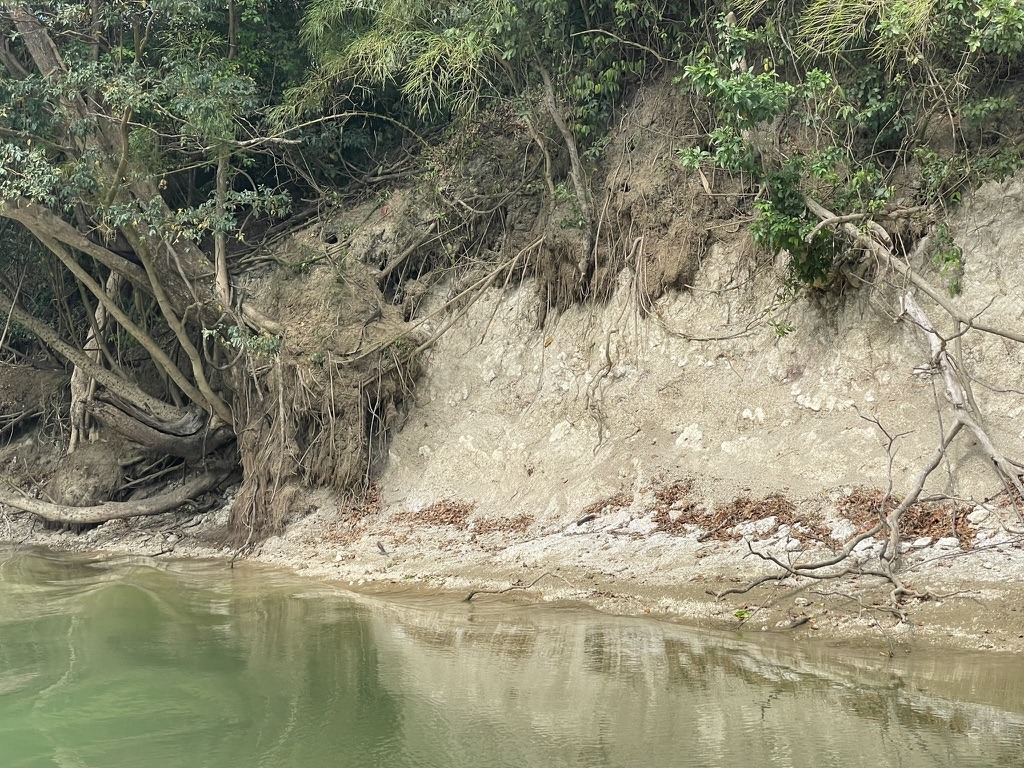
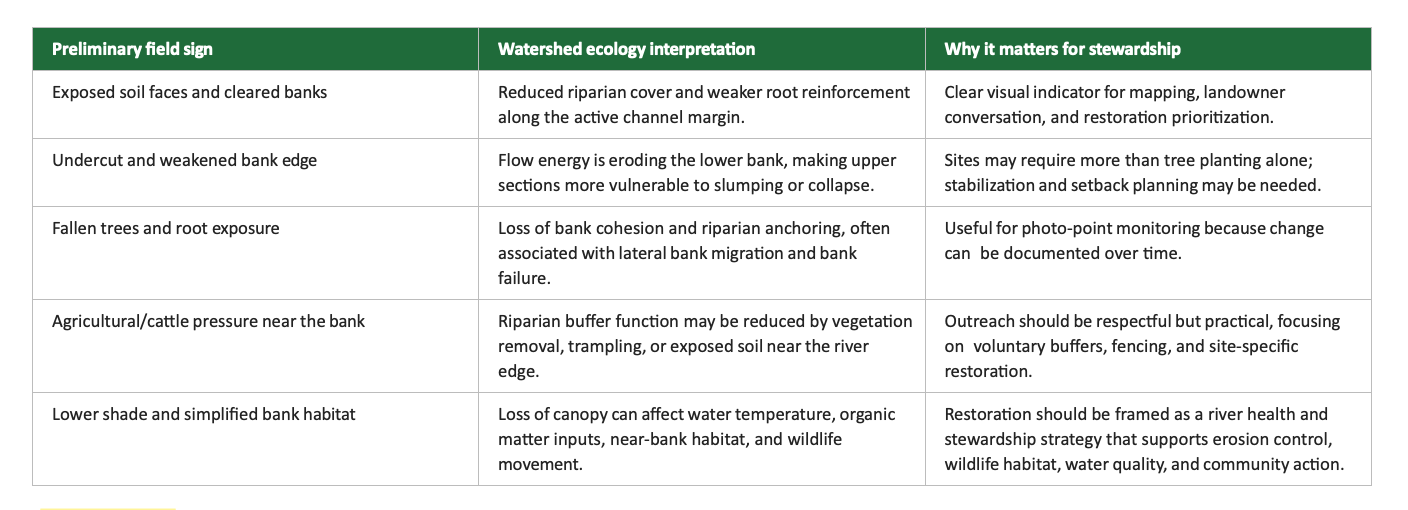
The most consistent field signal observed during the initial river reconnaissance was riparian bank erosion. Visible indicators included exposed soil faces, undercut banks, fallen trees, cleared vegetation near the bank edge, bank slumping, and areas where agricultural or cattle-related land use appears close to the active river margin. These observations suggest a river corridor under stress from a combination of natural fluvial processes and land-use pressures that reduce bank stability.
From a watershed ecology perspective, erosion is not only the loss of soil from a riverbank. It affects the physical structure, water quality, habitat complexity, and long-term function of the river corridor. When riparian vegetation is removed or weakened, root networks no longer bind the bank as effectively. The bank toe becomes more vulnerable to scour, vertical banks become more prone to mass failure, and exposed sediments can contribute to turbidity and downstream sediment loading during high-flow events.
These conditions can also reduce canopy shade, change near-bank habitat, alter access for people, and create navigation concerns where fallen trees and unstable banks enter the river channel. For the Lower Belize River Valley landscape, this matters because the riparian corridor is part of the larger social-ecological landscape that supports community livelihoods, freshwater wildlife, river access, cultural use, and forest connectivity.
What the Erosion Signs Indicate
About the Project
This research examines freshwater governance, community stewardship, and anthropogenic pressures in the Lower Belize River Valley. It uses interviews, community engagement, and participatory mapping to better understand how local knowledge and stakeholder perspectives can inform more inclusive freshwater management in Belize.
